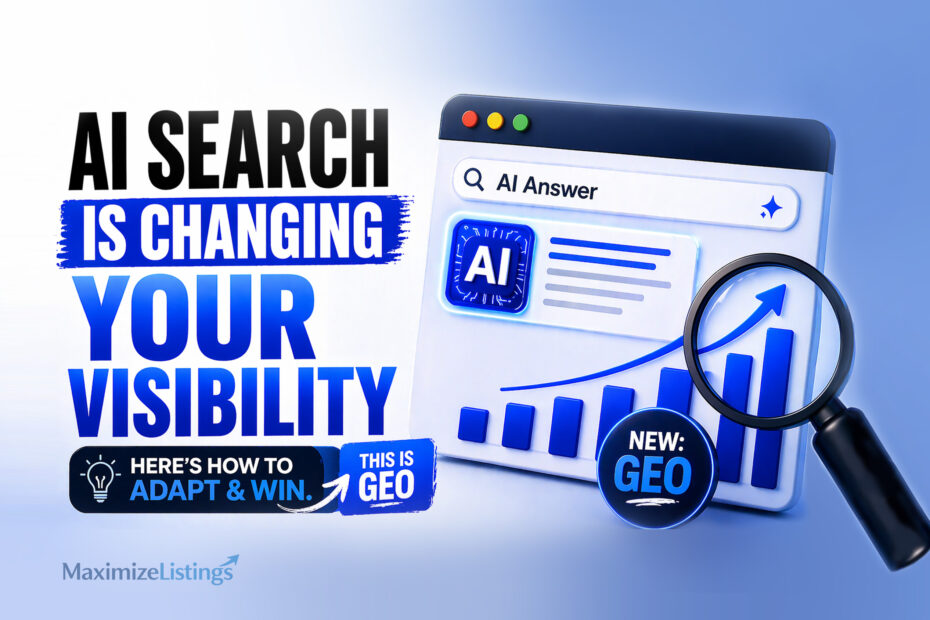
Understanding generative engine optimization helps creators adapt their content strategies to a search landscape where AI interpretation plays an increasingly important role. This concept is commonly referred to as GEO (Generative Engine Optimization).
Modern discovery platforms use large language models to analyze content, generate summaries, and recommend relevant resources. In these environments, content that is structured clearly and covers topics comprehensively is more likely to be referenced or surfaced in AI-generated answers.
Understanding generative engine optimization helps creators adapt their content strategies to a search landscape where AI interpretation plays an increasingly important role. This concept is commonly referred to as GEO (Generative Engine Optimization).
What Is Generative Engine Optimization (GEO)?
Generative Engine Optimization focuses on improving how content is interpreted by AI-driven discovery systems rather than only improving rankings in traditional search results.
Instead of evaluating pages primarily through keyword signals or link authority, generative systems analyze how clearly content communicates meaning and context.
This typically includes signals such as:
- semantic clarity
- topical completeness
- logical structure
- contextual relationships between concepts
Content that explains ideas clearly and covers related topics naturally becomes easier for AI systems to interpret and reference.
As a result, generative engine optimization focuses on making information understandable and structured, not just searchable.
How Generative Search Systems Work
Generative search platforms process information differently than traditional search engines. For example, Google’s generative search experiences demonstrate how AI systems synthesize information from multiple sources to produce summarized responses.
Instead of simply ranking pages and displaying them as links, generative systems often synthesize information from multiple sources to produce a summarized response.
When doing this, they evaluate content based on several characteristics:
- clarity of explanation
- semantic relationships between topics
- structural organization
- contextual relevance
Pages that provide clear explanations and structured information are more likely to contribute to these AI-generated responses.
This shift means that optimization strategies increasingly focus on interpretability rather than only ranking signals.
GEO vs Traditional SEO
Generative Engine Optimization (GEO) and traditional Search Engine Optimization (SEO) share the same goal: improving visibility in search environments. However, they emphasize different aspects of content optimization.
Traditional SEO often focuses on:
- keyword targeting
- ranking positions
- link authority
- technical indexing signals
Generative Engine Optimization focuses more on:
- semantic clarity
- contextual completeness
- structured explanations
- topical relationships between concepts
While these approaches differ slightly, they work best when used together. Strong SEO practices still help content appear in search results, while GEO helps ensure that the content can also be interpreted by generative systems.
GEO vs SEO vs AEO: What’s the Difference?
As search evolves, several optimization approaches are often discussed together: SEO, AEO, and GEO. While these strategies share the goal of improving visibility in search environments, they focus on slightly different aspects of how information is discovered.
Search Engine Optimization (SEO) focuses on improving rankings in traditional search engine results pages. This typically involves optimizing content for keywords, improving technical performance, and building authority signals such as links.
Answer Engine Optimization (AEO) focuses on helping content appear in direct answers and featured snippets. AEO strategies often emphasize concise explanations, structured information, and clear question-and-answer formats.
Generative Engine Optimization (GEO) focuses on making content understandable for AI-driven search systems that generate summaries and recommendations using large language models.
In practice, these approaches overlap. Strong SEO helps content become discoverable, AEO helps it appear in direct answers, and GEO helps ensure it can be interpreted and referenced by generative search systems.
Why GEO Matters for Search Visibility
Search behavior is gradually shifting toward AI-driven discovery. Users increasingly interact with search through conversational interfaces, AI assistants, and generative summaries.
These systems frequently provide answers by combining information from multiple sources rather than simply listing links.
When content is structured clearly and covers a topic comprehensively, it becomes easier for generative systems to interpret and reference. This can improve:
- discoverability in AI-driven search environments
- inclusion in AI-generated summaries
- contextual recommendations
For creators and businesses that rely on organic visibility, understanding generative engine optimization helps ensure content remains accessible as search technology evolves.
How Content Can Support Generative Engine Optimization
Several structural practices help content perform better in generative search systems and support Generative Engine Optimization (GEO).
Effective content typically includes:
- clear headings and logical structure
- well-defined topic coverage
- concise explanations
- contextual links between related topics
Content that answers questions directly and explains concepts clearly becomes easier for AI systems to analyze and interpret.
Optimization tools can also support this process by identifying gaps in topic coverage and helping refine semantic clarity.
For example, the tools discussed in our guide on search visibility optimization can help identify important concepts that strengthen topical alignment.
In practice, generative engine optimization overlaps with what many creators now describe as AI-search SEO or generative search optimization. These approaches focus on making content easier for AI systems to interpret, summarize, and reference when generating answers.
Optimizing for AI search typically means structuring information clearly, covering topics comprehensively, and ensuring that relationships between concepts are easy for AI search systems to understand.
The Role of AI Tools in GEO
Content optimization tools increasingly help creators improve both traditional SEO and generative engine optimization.
These tools analyze high-performing pages and identify patterns related to:
- semantic relevance
- topic coverage
- structural organization
- contextual relationships between concepts
By highlighting missing ideas and structural gaps, optimization tools help creators produce content that aligns more closely with how search systems interpret information.
Our guide to AI tools for better listing visibility explores how these tools can support optimization workflows for modern search environments.
GEO and the Future of Search
Generative search systems are becoming an important layer of modern discovery.
Instead of replacing traditional search engines, they expand how information is surfaced and interpreted. Content that communicates meaning clearly and covers topics comprehensively becomes easier for both traditional algorithms and generative systems to understand.
For this reason, the most effective content strategies focus on:
- clear explanations
- structured information
- strong topical coverage
Generative engine optimization encourages creators to design content that communicates ideas clearly so it can remain discoverable across both traditional and AI-driven search systems.
Conclusion
Generative Engine Optimization represents an important evolution in search visibility.
While traditional SEO remains essential, generative systems increasingly rely on structured information and semantic clarity to interpret content. By focusing on clear explanations, logical structure, and comprehensive topic coverage, creators can ensure their content remains accessible as AI-driven search continues to grow.
Understanding GEO helps bridge the gap between classic search optimization and the emerging landscape of generative discovery.
For a practical framework you can apply immediately, see our step-by-step guide on how to optimize listings for search visibility.
Frequently Asked Questions
What is generative engine optimization?
Generative engine optimization is the process of structuring content so that AI-driven search systems can clearly interpret and reference it when generating answers or summaries.
How is GEO different from SEO?
SEO focuses on ranking in traditional search results, while GEO focuses on making content understandable and usable by AI-driven discovery systems.
Does GEO replace traditional SEO?
No. Generative engine optimization complements SEO. Strong SEO helps content rank, while GEO helps ensure the content can also be interpreted and surfaced by generative systems.